EU agriculture is ageing, but women and young people continue to struggle for their place in the sector
Despite technological advances, agriculture remains male-dominated in the European Union.
“As a woman, you have to prove your worth to men, even when you start from the same place, with the same education and experience,” says 25-year-old Sarah Amélie Ost, recalling her first production internship on a French farm.
After graduating from a local veterinary college, Sarah continues her studies at the University of Barcelona, pursuing a master’s in epidemiology and biosecurity. “One day, when I’ve had enough of research and academic life, I’ll return to the countryside and to farming,” she says.
Life in Plombières-les-Bains, where Sarah’s family settled after leaving the bustle of the city, is close-knit: a community of five thousand in northeastern France where everyone knows one another. Locals often joke that there are more cows than people.
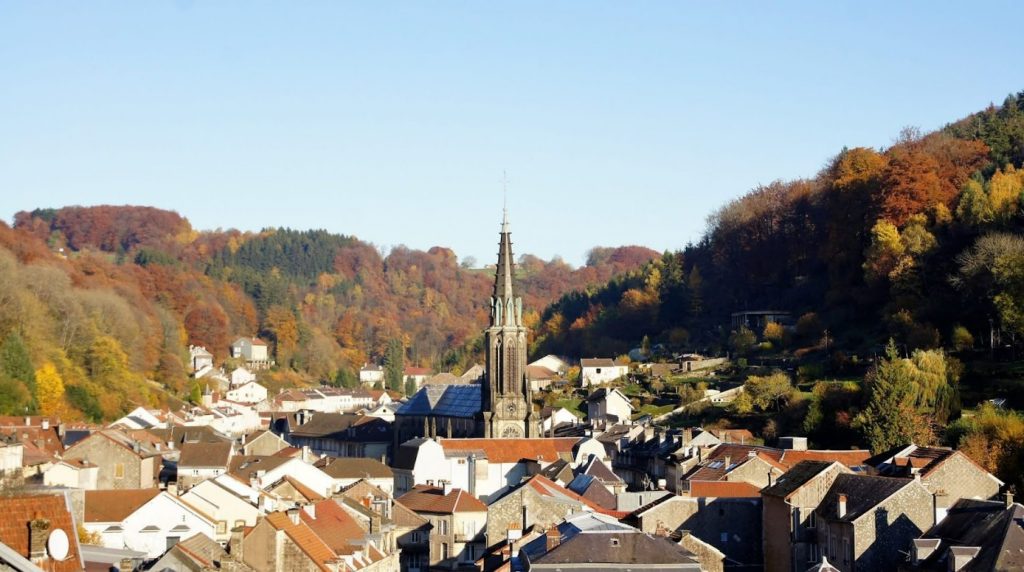
Farms are generally small, averaging 40–50 cows. While automatization has eased much of the physical labor, stereotypes remain: cattle farming is still seen as men’s work, whereas women are expected to handle small livestock and crop production.
“Men are given advantages and preferences based solely on their gender,” Sarah notes.
Seeking institutional solutions
The EU has tried to address this imbalance by enshrining gender equality into the Common Agricultural Policy (CAP) for the first time, obliging member states to monitor and promote women’s participation.
The program offers credit support, job opportunities, and promotes women’s participation in decision-making. Yet, for women, and especially young people, entering agriculture remains a challenge.
“Without land inheritance, it’s almost impossible to start a farm from scratch, given the high prices,” Sarah insists.

The official numbers reflect these concerns. Agriculture remains a major employer in the EU, with 8.7 million people working in the sector. But farmers are ageing: 57 percent are over 55, while only 12 percent are under 40. Gender disparities are also clear. According to European Commission data from 2021, women account for around 30 percent of the agricultural workforce, with wide variation: 40 percent in Austria compared to just 15 percent in Ireland.
Meanwhile, strict EU regulations on biodiversity protection are reshaping land use. Large areas are designated as Natura 2000 protected lands, limiting expansion.
“The number of farms is shrinking dramatically, while existing ones are getting bigger,” says Arie Keijzer, a 73-year-old livestock and dairy farming expert from Dronten, the Netherlands. He points to urban expansion and land designated for conservation as factors squeezing farmers.

Dutch farmers also face restrictions on fertilizers and chemicals. “You can’t harm nature; every decision depends on managing that responsibility,” he explains. Public pressure, particularly from urban society, has further driven calls to reduce livestock numbers to cut emissions.
Agriculture itself is evolving. In his lifetime, the Dutch expert has witnessed a transformation:
“Nowadays, just two people can manage 500 cows, but traditions are slow to change,” he says. Forty years ago, only 10 percent of agricultural university students in the Netherlands were women; today, they account for 55 percent.
“There used to be a saying: if you can’t do anything else, you can always become a farmer. Today’s agriculture requires professionalism, vocational training, expertise, and strict compliance with regulations,” he adds.

But pressure remains immense: long hours, government oversight, consumer demands for affordable yet high-quality food, and competition from cheap imports. “City people love to see the countryside,” Keijzer says with a smile, “but living the life of a farmer isn’t very attractive for young people.”
The persistence of a new generation
In Switzerland, the mood is different. “Farming is part of our culture and tradition, a heritage that is deeply rooted and respected,” says 29-year-old Flurina Müller.

Florina grew up in Schaffhausen, northern Switzerland, in a conservative community. Her parents were musicians but supported her agricultural ambitions wholeheartedly.
“When I visit farms to give advice, I sometimes question my legitimacy, since I didn’t grow up on a farm myself,” she admits.
After earning a master’s in agricultural economics from the Bern University of Applied Sciences, Flurina and her friends are planning to start their own farm.
“It’s a different approach from the traditional family farm, but regardless of gender or age, starting alone is extremely difficult,” she says, pointing to high costs of land, capital, and connections even with government support.
While academia offers a sense of equality, she says stereotypes still dominate in practice. “In the field, gender equality is less visible. Women still face doubts and bias,” she explains.
According to the European Commission, several member states have already introduced intervention programs to improve gender equality in rural areas, including the LEADER program. By 2040, the Commission envisions an EU where living conditions attract more women and young people to agriculture, while ensuring fair labor standards.
Next year, in 2026, the EU plans to launch a Women in Agriculture platform as a space for exchanging best practices and ideas.
Armenian reality
What is considered a challenge in Europe is often viewed as progress in Armenia.
“I observed no gender-based division of labor in Europe. I was treated equally to male colleagues, even when it came to tasks like lifting heavy weights,” shares Arpine Hakobjanyan, a 37-year-old milk and dairy technologist who visited Switzerland for an experience exchange.
Arpine is from the Verishen settlement in Syunik province. She works at the “Elola” dairy factory and teaches at Goris State Agricultural College. Her study trip to Wildberg took place under the Modernizing Vocational Education and Training in Agriculture in Armenia (MAVETA) project, led by the Swiss government with support from local and international partners.
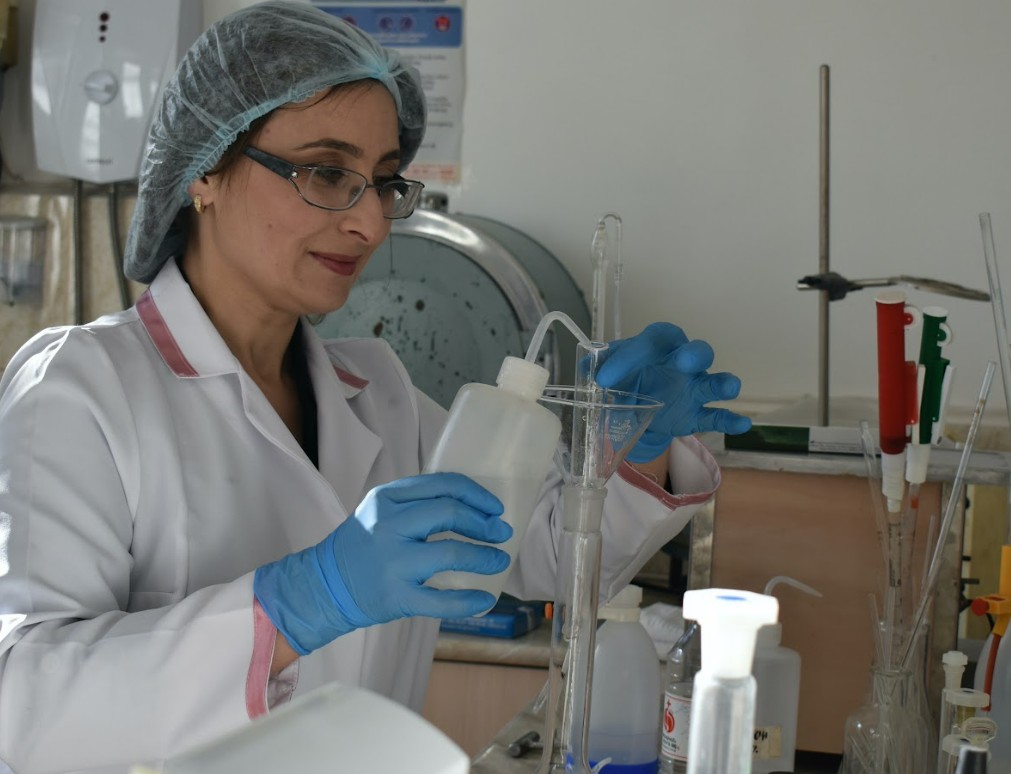
Through MAVETA, Armenian colleges have introduced in-demand agricultural professions via dual education. Dairy technology is one of them.
According to official data, 21.8 percent of Armenia’s employed population works in agriculture, with women accounting for only 21 percent of those employed in the sector․

“There is both a shortage of qualified specialists and a lack of interest among the younger generation,” explains Lilit Hovhannisyan, MAVETA project manager. “Dual training provides a solution: students gain theoretical knowledge at college, practical experience at private companies, and are paid for their work.” The project collaborates with schools, colleges, and private companies to encourage young people and women to pursue careers in agriculture in Tavush, Lori, Armavir, Syunik regions and in Yerevan.
Despite differences in resources and challenges, agriculture is aging in both Europe and Armenia. Regardless of location, whether in a small village in Syunik or a large farm in the Netherlands, the full participation of women is not just a matter of equality but a crucial factor in addressing demographic challenges in rural areas and ensuring sustainable generational renewal in the agricultural sector.
By Anush Ghavalyan
This article was published within the framework of the “Explaining Democracy: Reporting Initiative” program, with the support of the Embassy of the Kingdom of the Netherlands in Armenia.