




18.11.2026 | 15:00
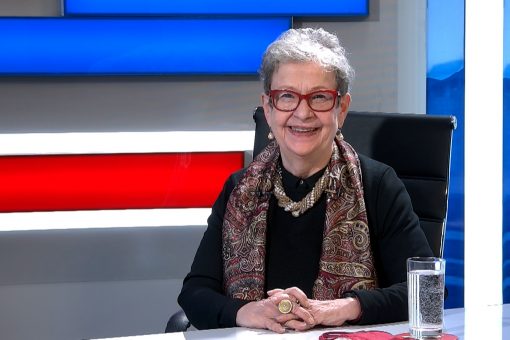
Richard Fontaine: Trump, Putin and Xi Couldn’t Carve Up the World if They Tried. VIDEO
POLITICS
18.11.2026 | 15:00With U.S. President Donald Trump, Russian President Vladimir Putin and Chinese President Xi Jinping set to meet for their first-ever trilateral talks in Shenzhen on Nov. 19, there are fears in Europe that the meeting could become a modern-day Yalta — the 1945 conference at which the Allied powers shaped postwar Europe.
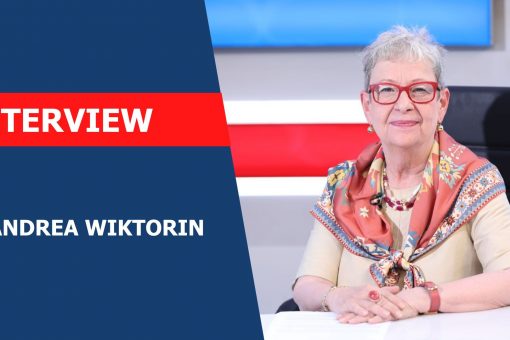
Not so fast, says Richard Fontaine, chief executive officer of the Center for a New American Security.
“It is not another Yalta. It’s not the big three getting together with a map of the world and carving up spheres of influence and saying: you get to have that,” Fontaine says. “One, that’s not the world we live in. Two, the three, even if they wanted to, would never agree on what that was. And three, the countries and the regions are not, as they were in Yalta, a bunch of defeated or invaded or occupied countries. These are actual countries with actual sovereignty and actual governments and actual decision-making authority.”
The summit, which was originally proposed by Putin as a forum to discuss his vision for a deal to end his war in Ukraine — without Ukraine at the table — does not yet have a clear agenda. The Trump administration has said it plans to raise nuclear nonproliferation, but China has said it is not interested in discussing the topic.
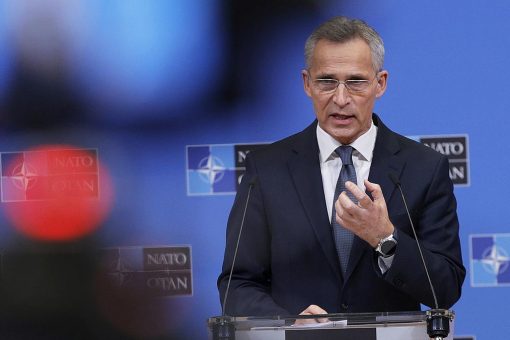
In the wide-ranging interview with Independence Avenue Media, Fontaine says with Democrats set to control both houses of Congress and dim prospects for major legislation, Trump is likely to turn more to foreign policy. He argues that despite Trump’s frequent criticisms of NATO, the alliance will survive his second term. But, he says, “there’s been a lot of trust lost.”
“I think the trust is not going to be rebuilt in the final two years of the Trump administration,” he says. “But then, hopefully, we can move through that period with the least amount of additional damage, and then, on the other side of that, start to rebuild the trust.”