





14.10.2026 | 18:00
,,Journalism can make a difference”: Factor TV honoured with Free Media Award 2026
POLITICS
27.04.2021 | 13:28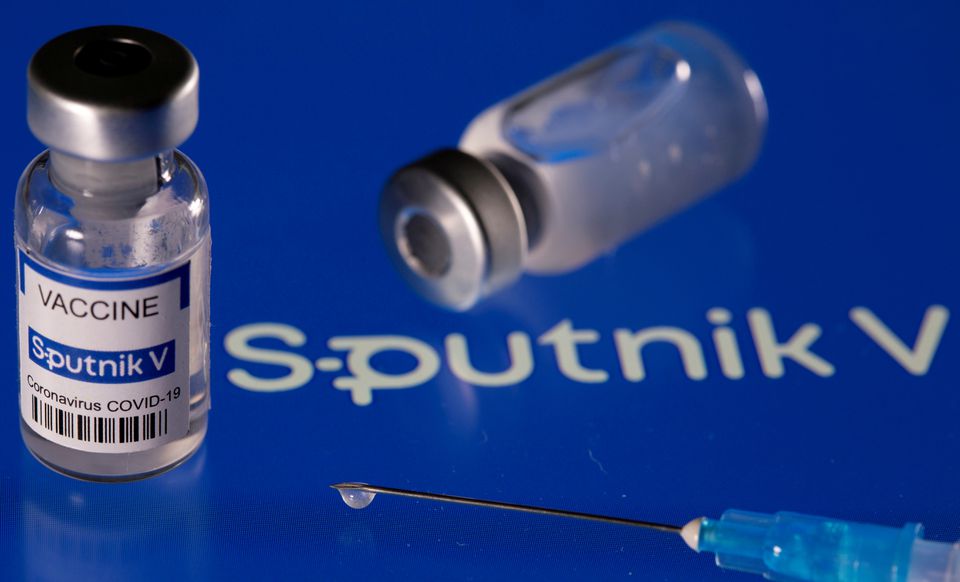
The Brazilian health regulator Anvisa on Monday rejected importing the Russian-made Sputnik V COVID-19 vaccine requested by state governors battling a deadly second wave of the virus that is battering Latin America’s largest nation.
Anvisa’s five-strong board voted unanimously not to approve the Russian vaccine after technical staff had highlighted “inherent risks” and “serious” defects, citing a lack of information guaranteeing its safety, quality, and effectiveness.
Ana Carolina Moreira Marino Araujo, general manager for health monitoring, said that taking into account all the documentation presented, data acquired at in-person inspections, and information from other regulators, “inherent risks” were too great.
The Russian Direct Investment Fund (RDIF), which markets the Sputnik V vaccine abroad, rejected Anvisa’s comments, saying the shot’s safety and efficacy had been assessed by regulators in 61 countries which approved it for use.
“Anvisa’s decision to delay the registration of Sputnik V may have been politically motivated,” RDIF said in a statement. “RDIF regrets the numerous attempts by some countries to oppose the Russian vaccine… including through pressure on foreign regulators.”
A crucial issue for Anvisa was the presence in the vaccine of the adenovirus that could reproduce, a “serious” defect, according to Anvisa’s medicines and biological products manager Gustavo Mendes.
Russian scientists say Sputnik V is 97.6% effective against COVID-19 in a “real-world” assessment based on data from 3.8 million people, Moscow’s Gamaleya Institute and the Russian Direct Investment Fund said last week.
The European Union’s regulator, the European Medicines Agency (EMA), is currently reviewing the shot and its manufacturing process, with a decision on its use expected in May or June.
Brazil’s vaccination program has been blighted by delays and procurement failures, turning the country into one of the world’s deadliest COVID-19 hotspots this year and pushing the national health system to the brink of collapse.
So far 27.3 million people in Brazil, equivalent to 13% of the population, have received the first dose, according to health ministry data.
Brazil has registered 14.4 million confirmed cases of the virus and almost 400,000 deaths since the onset of the pandemic over a year ago, much of that in the last few months.