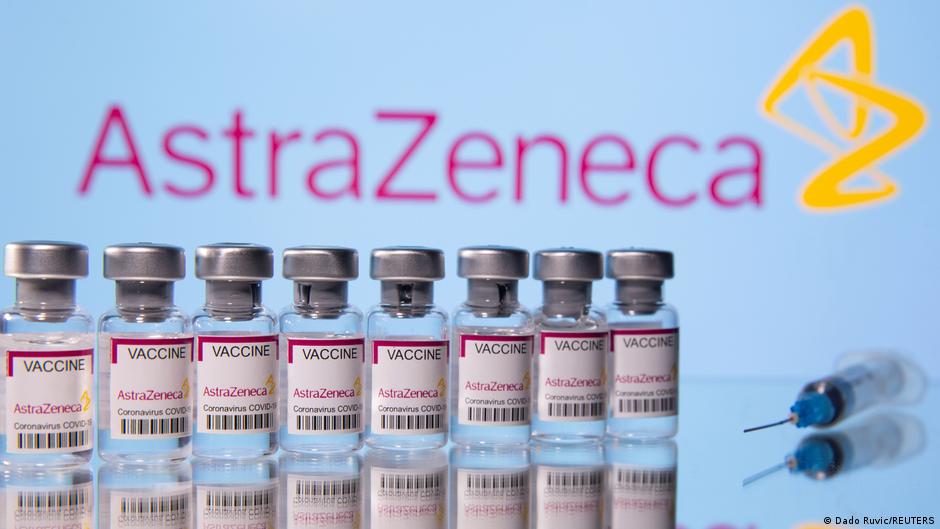
EMA’s safety committee, PRAC, concluded its preliminary review of a signal of blood clots in people vaccinated with Vaxzevria (previously COVID-19 Vaccine AstraZeneca) at its extraordinary meeting of 18 March 2021. The Committee confirmed that:
- the benefits of the vaccine in combating the still widespread threat of COVID-19 (which itself results in clotting problems and maybe fatal) continue to outweigh the risk of side effects;
- the vaccine is not associated with an increase in the overall risk of blood clots (thromboembolic events) in those who receive it;
- there is no evidence of a problem related to specific batches of the vaccine or to particular manufacturing sites;
- however, the vaccine may be associated with very rare cases of blood clots associated with thrombocytopenia, i.e. low levels of blood platelets (elements in the blood that help it to clot) with or without bleeding, including rare cases of clots in the vessels draining blood from the brain (CVST).
These are rare cases – around 20 million people in the UK and EEA had received the vaccine as of March 16 and EMA had reviewed only 7 cases of blood clots in multiple blood vessels (disseminated intravascular coagulation, DIC) and 18 cases of CVST. A causal link with the vaccine is not proven, but is possible and deserves further analysis.
The PRAC involved experts in blood disorders in its review and worked closely with other health authorities including the UK’s MHRA which has experience with the administration of this vaccine to around 11 million people. Overall the number of thromboembolic events reported after vaccination, both in studies before licensing and in reports after the rollout of vaccination campaigns (469 reports, 191 of them from the EEA), was lower than that expected in the general population. This allows the PRAC to confirm that there is no increase in the overall risk of blood clots. However, in younger patients there remain some concerns, related in particular to these rare cases.
The Committee’s experts looked in extreme detail at records of DIC and CVST reported from the Member States, 9 of which resulted in death. Most of these occurred in people under 55 and the majority were women. Because these events are rare, and COVID-19 itself often causes blood clotting disorders in patients, it is difficult to estimate a background rate for these events in people who have not had the vaccine. However, based on pre-COVID figures it was calculated that less than 1 reported case of DIC might have been expected by 16 March among people under 50 within 14 days of receiving the vaccine, whereas 5 cases had been reported. Similarly, on average 1.35 cases of CVST might have been expected among this age group whereas by the same cut-off date there had been 12. A similar imbalance was not visible in the older population given the vaccine.
The Committee was of the opinion that the vaccine’s proven efficacy in preventing hospitalization and death from COVID-19 outweighs the extremely small likelihood of developing DIC or CVST. However, in the light of its findings, patients should be aware of the remote possibility of such syndromes, and if symptoms suggestive of clotting problems occur patients should seek immediate medical attention and inform healthcare professionals of their recent vaccination. Steps are already being taken to update the product information for the vaccine to include more information on these risks.
The PRAC will undertake an additional review of these risks, including looking at the risks with other types of COVID-19 vaccines (although no signal has been identified from monitoring so far). Close safety monitoring of reports of blood clotting disorders will continue, and further studies are being instituted to provide more laboratory data as well as real-world evidence. EMA will communicate further as appropriate.